
Your Freight Quote Is Not Your Freight Cost
Get to know what are the costs the are added apart from freight quote.
4 min read
Imagine this- A client calls, fairly frustrated.
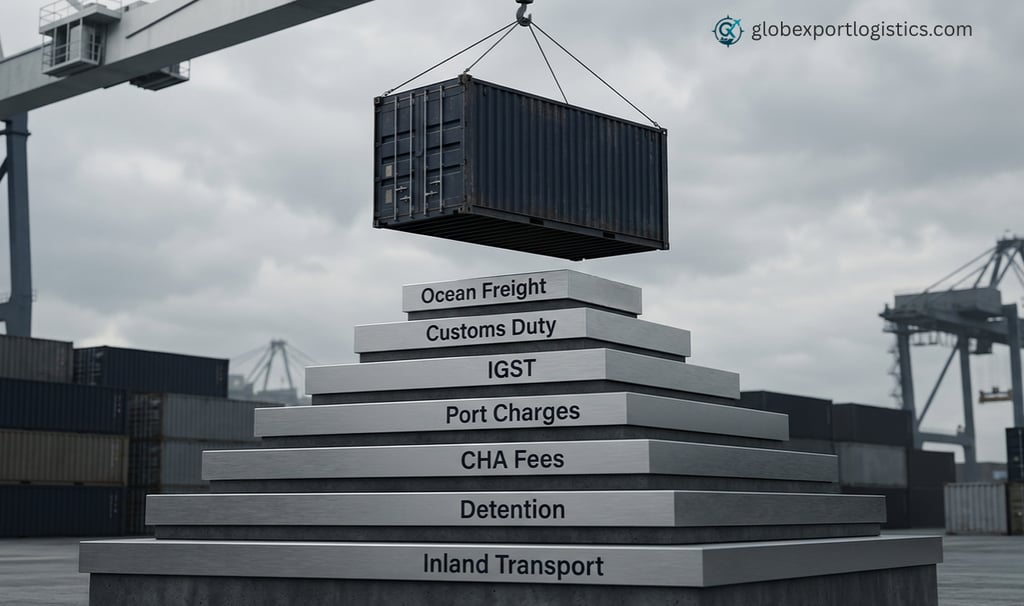
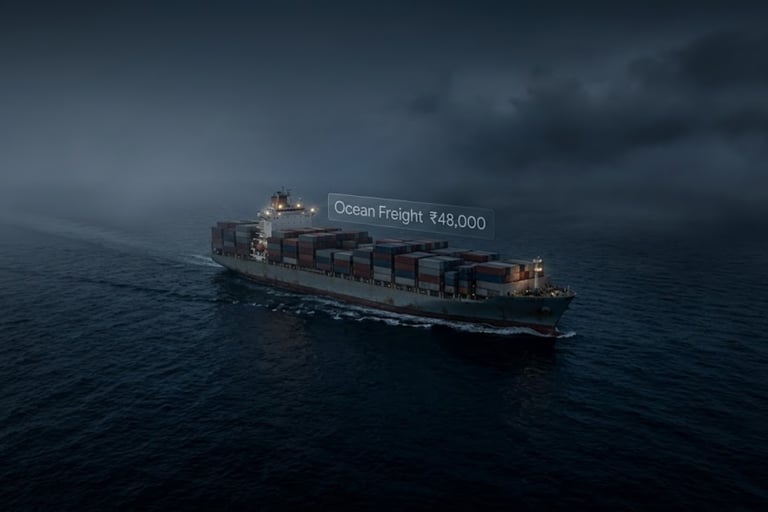
He had received an ocean freight quote of ₹48,000 for his FCL shipment. Clean number. He had budgeted around it. But by the time customs clearance was done and the cargo reached his warehouse, his total bill had crossed ₹1.4 lakh.
His exact words: "Why is my import bill higher than what was quoted?"
It is one of the most common questions we also get. And the answer is always the same: because the freight quote and the total cost of importing goods are two very different things.
Here is what actually goes into it.
The quote covers only the ocean freight
When a shipping line or freight forwarder gives you a rate, that number covers the movement of the container from origin port to destination port. Everything before and after that journey is a separate cost, and most of it never appears in the initial quote. This is where the gap between what was quoted and what was billed begins.
Port and terminal charges
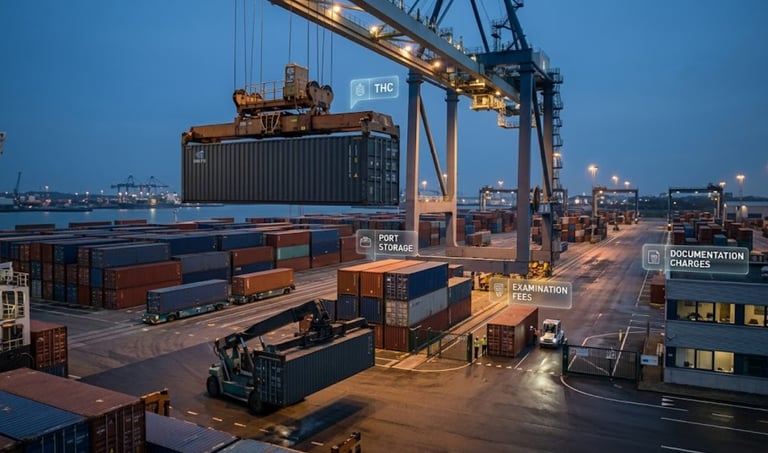
Once the vessel arrives at the port, the container enters a system of charges. Terminal Handling Charges, examination fees if Customs selects your shipment for inspection, port storage, and documentation charges all begin stacking up. None of these are part of the freight quote.
How customs duty is calculated on imports in India
(Basic Customs Duty, surcharges, and taxes)
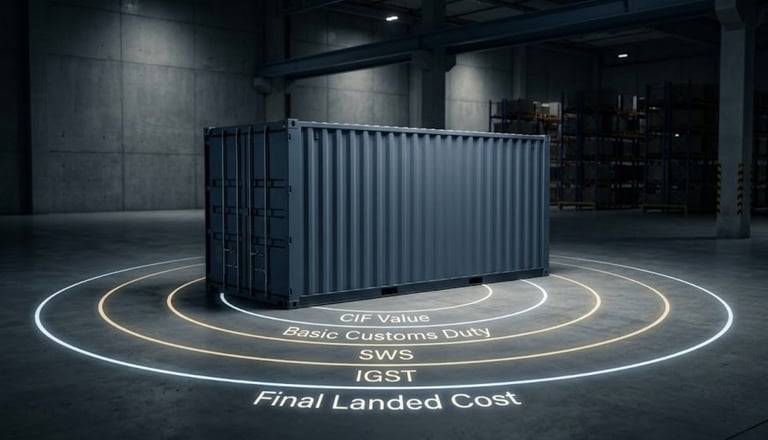
This is often the single largest component of an import transaction, and yet the one that catches most importers off guard. Customs duty on imported goods in India is calculated on the CIF value: cost of goods, cargo insurance, and freight combined. That becomes your assessable value. Basic Customs Duty is applied first, followed by the Social Welfare Surcharge and IGST. The HS code classification of your product determines the applicable duty rate. A wrong or imprecise HS code can trigger a higher duty rate or a reassessment at the port, both of which cost time and money.
Demurrage and detention charges
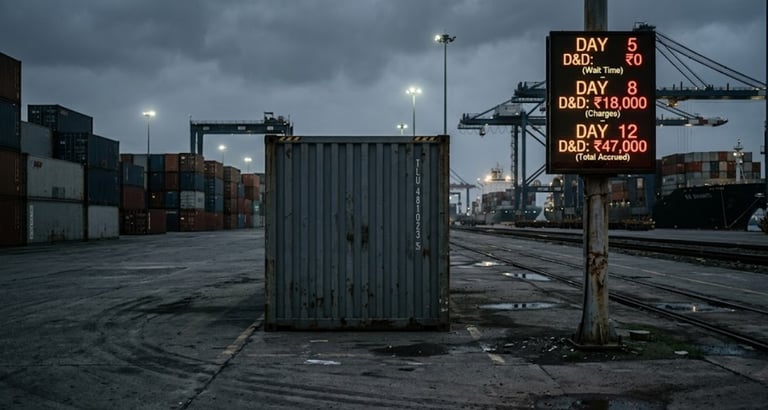
Shipping lines give you a fixed number of free days to return the container after clearance. How many free days a shipping line gives depends on the carrier and the agreement, but it is typically five to seven days. If your clearance gets delayed, or if transport is not arranged in time, every additional day is chargeable. We have seen cases where demurrage and detention charges alone exceeded the original freight cost. This is where poor coordination between the importer, the customs broker, and the transporter shows up most painfully.
Import documentation and CHA fees-
What documents are required for customs clearance in India
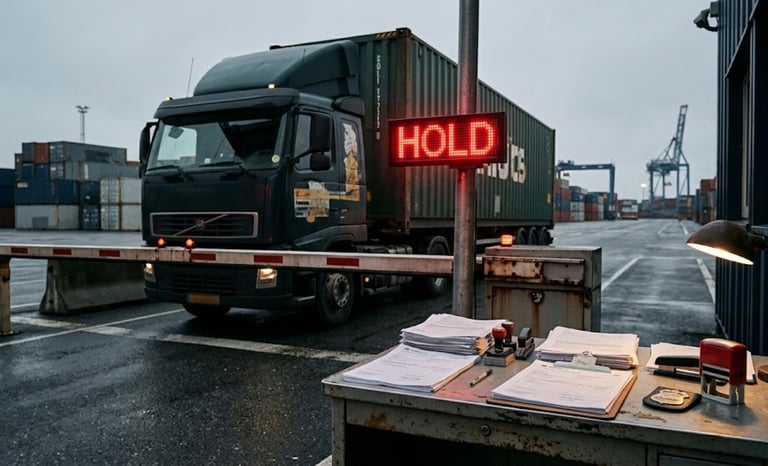
Every import shipment requires a licensed CHA to manage the import documentation, file the Bill of Entry, and handle the clearance process with Customs. This is a regulatory requirement, not optional. The documents required for customs clearance in India typically include the commercial invoice, packing list, Bill of Lading, and depending on the product, additional certificates or licences. The CHA's professional fees are part of your import cost, and the accuracy of this documentation directly affects how fast your shipment clears.
Inland transportation
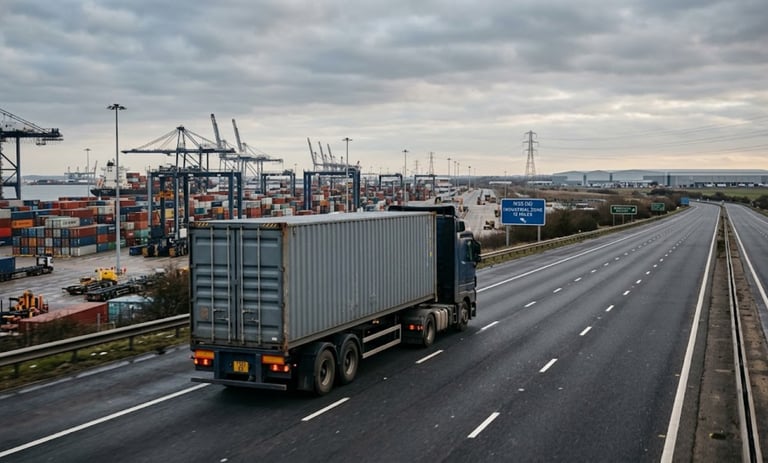
Getting cargo from the port to your warehouse is a separate leg entirely. Depending on distance, vehicle type, and cargo weight, this is a real cost that rarely appears in any initial quote.
So what is the real lesson here?
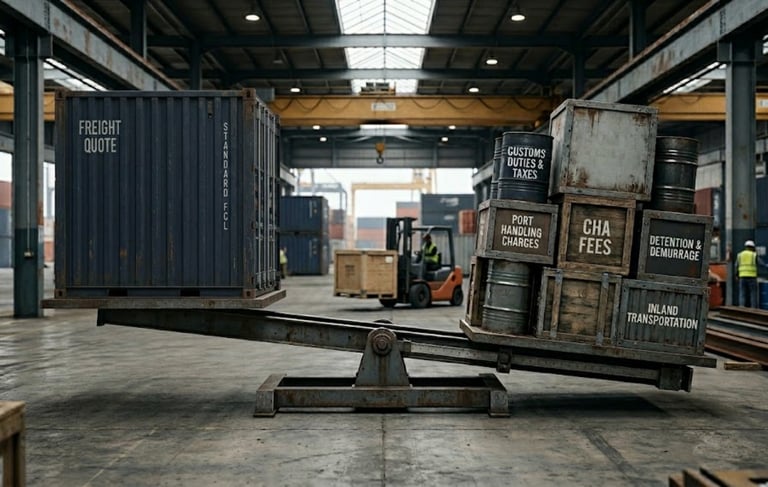
The hidden charges in sea freight are not always hidden by design. Most of them exist at stages that fall outside what a freight quote was ever meant to cover. Some are predictable. Some depend on how well the clearance and coordination are handled. And some, like demurrage and detention, are entirely avoidable with the right process in place.
Knowing how to calculate the landed cost of imported goods in India before your shipment arrives is the difference between a budget that holds and one that blows up at the port.
At GlobeXport Logistics, freight forwarding and customs clearance is our core work. If you want to understand how your import costs are actually structured before your next shipment, we are happy to walk you through it.
Contact
Mobile No. : +917039367574
© 2026. All rights reserved.

Navigation
Office Address:
Office No. 606, Building No. 4, Pink City Complex, Near Royal Park, Ambernath (East)